Posts

Discussion for April 4th 2022

Image
This Monday (April 4th) our discussion is led by Jacky Woodman. She writes: Exodus 7:1 - 25 Overview: The rallying cry ' Let me people go!' in the South African anti-apartheid struggle amongst both Christian and non-Christian alike was taken from the Moses narrative in the Bible. It contributed to powerful themes by Adam Small, a Cape Coloured(mixed race) Black Consciousness activist, Afrikaans poet and revered academic. The power of the Biblical stories sustained freedom fighters and peace campaigners alike in their respective paths of both violence and non-violence. It formed the title of Albert Luthuli's autobiography. Albert Luthuli was a South African teacher, activist, Nobel Peace Prize winner, and politician. In 1960 he was awarded the Nobel Peace Prize for his role in the non-violent struggle against apartheid. So relevant was the Bible in the political landscape of South Africa that in 1985 the Kairos document, a Christian, biblical and theological comment on ...

Discussion for March 28th

Image
LEADERSHIP LESSONS FROM THE BIBLE Whether it's our chapel or our country, our place of work or our community - we're always thinking about leadership - being leaders, complaining about leaders, praising leaders, advising leaders, choosing leaders, dumping leaders, preparing leaders... Who should lead? How should they lead? And what is there in the Bible to help us form a view on leadership? THIS MONDAY (28TH MARCH) BRING YOUR OWN BIBLICAL RESOURCES ON LEADERSHIP. WHO ARE THE BEST/WORST LEADERS IN THE BIBLE? WHAT'S THE BEST/WORST ADVICE THAT BIBLICAL AUTHORS HAVE ABOUT BEING A LEADER? ARE THERE ANY BIBLICAL LESSONS ON LEADERSHIP THAT UNITARIAN & FREE CHRISTIAN CHURCHES SHOULD TAKE ON BOARD? From Noah to Nathan, from Deborah to David: the Bible is brimming with leaders, and examples, instructions and wisdom about leadership. And then there's Jesus. He had a lot to say about leadership, as did the authors of the New Testament epistles. It's a 'bring your own...

Discussion for 21st March

Image
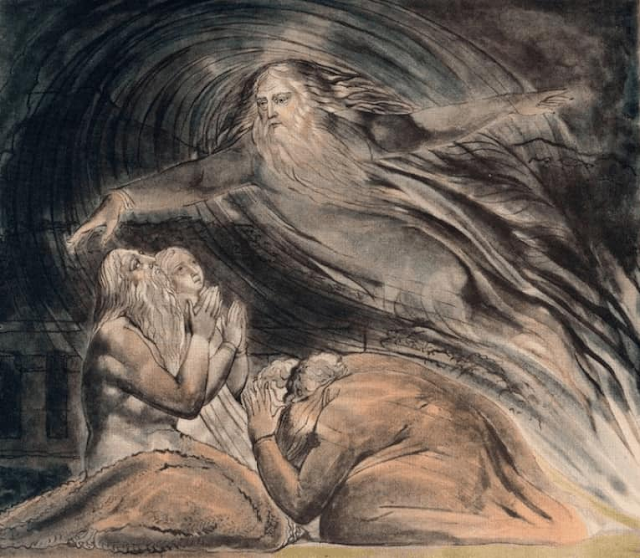
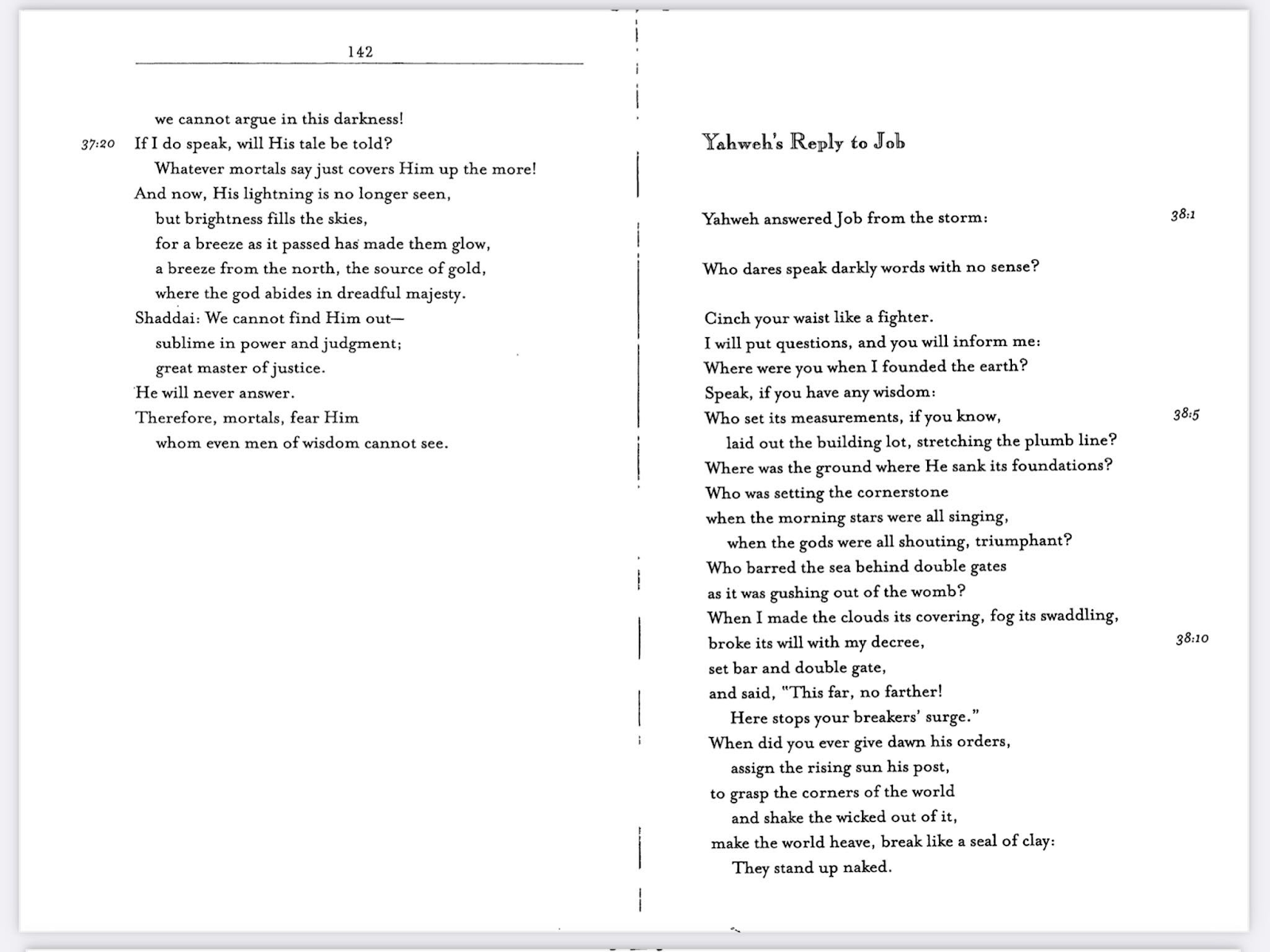
Our discussion leader writes: "After reading chapters 14 and 19 of the book of Job last week, a few suggested we could look at Yahweh’s response to Job this Monday, 21st of March. I have attached Yahweh’s response from the storm, and descriptions of mighty Behemoth and Leviathan, in chapters 38 to 41, from the translation by Raymond Scheindlin below. Job desperately wanted to present his case to God, and to ask for justice. Job 31:35 “If only someone would listen to me! Look, I will sign my name to my defense. Let the Almighty answer me. Let my accuser write out the charges against me.” What do we make of Yahweh’s response in chapters 38 to 41? Meeting opens around 6.15pm for 6.30pm start Join Zoom Meeting https://us06web.zoom.us/j/82378042367 ... Meeting ID: 823 7804 2367 Passcode: 460019"

Discussion for 14th March

Image
Does the book of Job offer any hope for people enduring pain and suffering? Following a brief introduction to Job as a work of literature, we will consider passages from Job chapters 14 and 19. In chapter 14 Job compares the fate of humans to that of a tree and to various processes of decay in the natural world. In chapter 19 we find the famous declaration “I know that my redeemer liveth”, which Christian interpreters have taken as a reference to Jesus. What did the author mean by the phrase? Join Zoom Meeting at 6.15pm for a 6.30pm start on on Monday 14th March https://us06web.zoom.us/j/82378042367 Meeting ID: 823 7804 2367 Passcode: 460019

Discussion for March 7th

Image
Bill Darlison writes: Mark can't lead the discussion on Monday 7th March at 6.30 pm, so I've volunteered to take his place. We'll be discussing the story of Joshua's conquest of Jericho (Joshua 1-3, and 6) and asking: Are there parallels with the current situation in Ukraine? Is Rahab a traitor to her people whose actions should be deplored rather than praised? How do biblical literalists justify the wholesale slaughter of 'men, women, and children'? What possible spiritual value does this story have? Is there another way of understanding the story beyond the purely historical? We'll be reading bits from the above chapters during the session, but it would be useful to have read chapters 1-6 of Joshua in their entirety beforehand. It's a very easy - but very disturbing - read. Join Zoom Meeting (meeting will be open at about 6.15 pm) https://us02web.zoom.us/j/3560271583... Meeting ID: 356 027 1583 Passcode: 4pXDvp

Discussion for 28th February

Image
Discussion for Monday February 28th, led by John Carter. He writes: "Does the Biblical material have any claim upon us? Does it’s inspiration command us to greater behaviour and living? Or is it for us something that is wonderful, inspiring, beautiful but not necessary for how we explore our life and faith?" Discussion around Romans 12:1&2 NRSV “I appeal to you therefore, brothers and sisters, by the mercies of God, to present your bodies as a living sacrifice, holy and acceptable to God, which is your spiritual worship. Do not be conformed to this world, but be transformed by the renewing of your minds, so that you may discern what is the will of God—what is good and acceptable and perfect.” Believers’ New Testament “So, by the mercies of God, I beseech you who are members of the christian family, be willing in your relationship to each other to place yourself on the altar as a living sacrifice, which is a life set apart for and well-pleasing to God. That would be worshi...

Discussion for 21st February

Image
  Bible Discussion - Monday 21st February 6.30pm led by Sheena Gabriel -  ‘The Good Samaritan ’ -  Luke chapter 10 vv. 25-37 "It's one of the most well-known parables grom the Bible and has become a common term in the English language. But however well we know the story, however simple its message may seem, there is always more to discover. Is the story a simple moral injuction to show compassion to everyone, or a subversive challenge to the norms of religious and cultural rules and hierarchies? How does the story relate to our own lives, and society today? Which of the characters do we most relate to? When have we played the good Samaritan, and to what personal cost? When have we been the victim; how does it feel to be ignored - how does it feel to be helped? Those times we have passed by on the other side - why have we done so? Have we ever been the persecutor - playing the part of the thieves? And what about the Innkeeper and the donkey(?) - bit parts in the story - bu...